Web designing is not just about colors and layouts anymore—it has become a powerful business tool that decides how people see, use, and trust your brand online. A well-designed website can directly impact customer behavior, increase conversion rates, and open new business opportunities. If your website is confusing, slow, or unattractive, people leave—and often, they don’t come back.
Now We will explains how web designing shapes the future of your business by merging core design principles with modern strategies. It includes everything from visual appeal to usability, SEO, branding, mobile behavior, and future technologies like AR and VR.

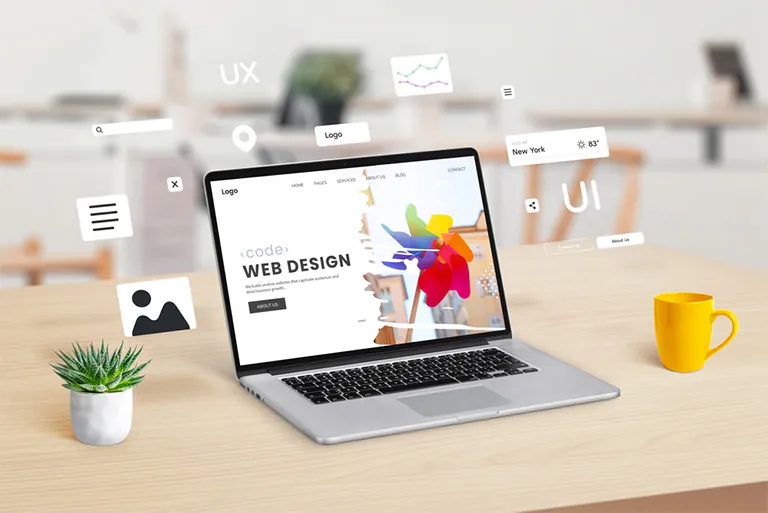
What Makes Web Design So Important for a Business?
When someone visits your website, it is often the first interaction with your brand. Before they read your content or buy your product, they judge the look and feel of the site. That moment can either build trust—or destroy it.
Here’s why good web design matters:
- It builds trust and credibility.
- It helps users find what they need faster.
- It supports your marketing goals like leads and conversions.
- It improves your ranking on search engines.
- It gives users a smooth, enjoyable experience.
How Web Design Has Evolved Over the Years
Web design has come a long way. Early websites were plain, black screens with basic text. With time, new technologies brought fresh ideas and design standards.
- 1990s: Basic HTML websites with minimal styling
- 1995: JavaScript added basic interactivity
- 1996: Flash introduced animations and dynamic elements
- 1998: CSS allowed separation of content from style
- 2007: Frameworks and grid systems became common
- 2010: Responsive design changed everything by adjusting layouts to screen sizes
Today, the focus has shifted to usability, speed, mobile-first design, and visual storytelling. Modern websites are cleaner, faster, and more flexible.
Fixed, Fluid, and Responsive – Understanding the Types of Web Design
When designing a website, you have several layout options. Each one affects how the content appears across devices.
Fixed Design
In this layout, the website has a fixed width. It does not change based on screen size. While it looks great on desktop, users on mobile or tablets may have to scroll awkwardly.
Fluid (Liquid) Design
This layout uses percentages instead of fixed pixels. The content stretches or shrinks according to the screen size. While it offers flexibility, it may look distorted if not planned properly.
Responsive Design
This is the most popular and user-friendly format. One design adjusts automatically to different screens—whether it’s a phone, tablet, or desktop. It also adapts to slow internet connections by showing lighter images or simplified versions.
Responsive design is not optional anymore—it’s a must-have if you want to keep users engaged.
Why Web Design Affects Your Business Future
Designing a professional website does more than impress visitors. It creates long-term value for your business.
Better User Experience Increases Conversions
Visitors will only stay and take action if your site is easy to use. A clear menu, fast loading speed, and mobile compatibility make all the difference.
Example: A local online store redesigned its homepage with clear categories and faster checkout. Their bounce rate dropped by 35%, and sales increased by 50%.
Good Design Helps Your SEO Rank
Google loves websites that are easy to crawl and mobile-friendly. Simple structure, quick loading times, and optimized images all affect your position in search results.
Tip: Avoid heavy animations, pop-ups, and large images that slow the page. Clean code and simple layouts are always better.
Design Builds Strong Brand Identity
Your website reflects your brand. Fonts, colors, icons, and tone of voice should match what you stand for.
A construction company’s website should look strong and reliable. A bakery’s site should feel warm and friendly. That feeling builds trust—and trust brings repeat customers.
Design Supports Digital Marketing Goals
If you run paid ads or social media campaigns, your landing pages must be designed properly. Every element—from CTA buttons to product images—must guide users to take action.
A poorly designed site wastes your ad budget. A smart design increases ROI.
What to Avoid in Web Design
While creativity is good, too much can hurt. Avoid these common design mistakes:
- Overuse of Animations: They may look cool but slow down your site.
- Too Many Ads or Popups: They frustrate users and lead to high bounce rates.
- Cluttered Layout: Too much information on one screen confuses users.
- Low Contrast Text: If users can’t read it, they’ll leave.
- Broken Links or Poor Navigation: These ruin trust and SEO rankings.
Always focus on clarity and speed. Keep your users in mind while designing every element.
How Mobile-First Design Changes Everything
Most users today browse the internet from their mobile phones. If your site doesn’t work well on small screens, you’re losing business.
Mobile-first design starts by creating the mobile version of a site first, then expanding it for tablets and desktops. This approach ensures:
- Faster loading on phones
- Easier navigation using fingers
- More readable fonts and CTA buttons
Ignoring mobile users is like closing your shop for half the day.
The Role of Augmented and Virtual Reality in Web Design
Modern websites now go beyond static pages. AR (Augmented Reality) and VR (Virtual Reality) are reshaping web experiences.
Examples:
- A furniture store allows customers to place a sofa in their room using their phone camera.
- A real estate company offers virtual tours of properties.
- A travel agency lets users explore destinations through VR.
These interactive experiences build confidence and help people make better decisions online. As technology improves, more industries will use these tools to stand out.
Accessibility: Make Your Website for Everyone
Your business website should be usable by people with disabilities too. Accessibility features not only help others but also improve SEO and user experience.
Important elements to add:
- Text alternatives for images
- High-contrast color options
- Keyboard navigation
- Screen reader support
- Font resizing options
Designing with inclusivity in mind expands your customer base and shows your brand values.
Design Backed by Data: Use Tools to Improve
You can guess what works—or you can track user behavior and improve with data.
Free tools you can use:
- Google Analytics: Tracks bounce rate, page speed, device use
- Hotjar or Microsoft Clarity: Shows heatmaps and click tracking
- Google PageSpeed Insights: Suggests improvements for loading speed
This data helps you know what pages work and which ones need improvement.
E-commerce Web Design: Tips for Online Stores
If you sell products online, your website is your shop. It must look professional, feel safe, and guide users toward buying.
Focus on:
- Clean product photos with zoom options
- Short, clear descriptions
- Visible “Add to Cart” buttons
- Secure checkout process
- Guest checkout option
- Mobile payment options (Apple Pay, Google Pay)
A good design reduces cart abandonment and increases buyer confidence.
How Often Should You Update or Redesign?
A full redesign is not needed every year. But small updates should be regular. Look out for:
- Outdated visuals
- Mobile compatibility issues
- Broken links or slow pages
- Drop in leads or sales
A full redesign is usually needed every 3–4 years depending on your goals and technology trends.
Summary Checklist: What a Future-Ready Business Website Needs
- Clean and professional layout
- Fast loading speed
- Mobile-first design
- SEO-friendly structure
- Clear calls to action
- Easy navigation
- Accessibility features
- Modern visual appeal
- Data tracking tools
- Updated content
Final Words
Web design isn’t just about looking good—it’s about building trust, increasing visibility, supporting marketing goals, and giving users the best experience possible. Whether you’re running a local service, a global brand, or an e-commerce store, your website design plays a major role in how people connect with you.
Businesses that invest in modern, smart, and user-friendly websites will not only survive the competition—but lead it.