In today’s real estate market, traffic alone doesn’t sell properties; conversions do. Buyers are clicking on listings from search engines, ads, and social media every day, but only a small percentage turn those clicks into enquiries, meetings, and ultimately closings. The difference between interest and action often comes down to one factor: web design.
Modern property buyers expect clarity, speed, and confidence before they share their details or book a viewing. This is why real estate conversion optimization has become a core business priority. A well-designed website doesn’t just look professional; it actively guides visitors through a journey that leads from curiosity to commitment.
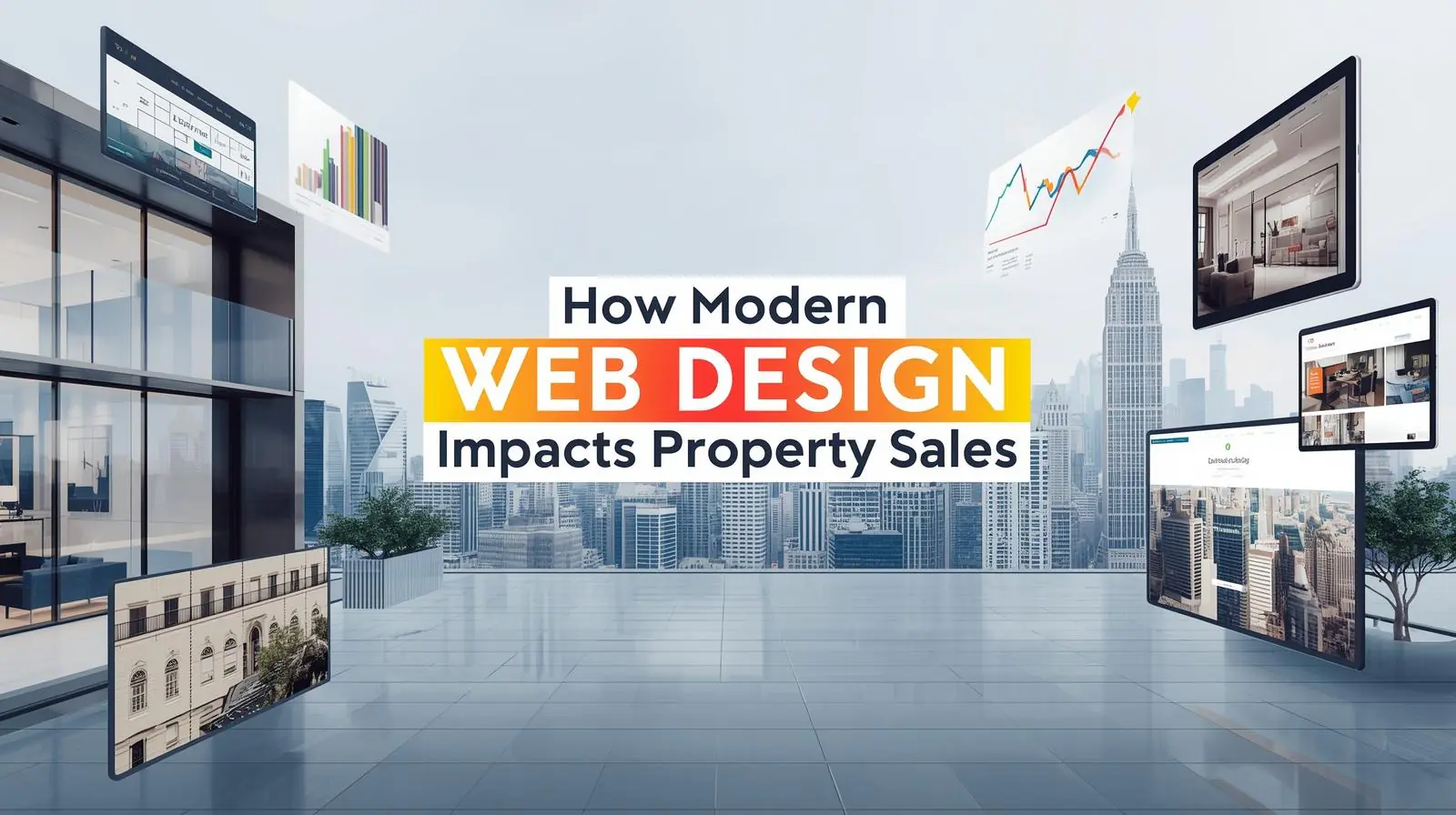
This article explores how modern web design directly impacts property sales, which design elements influence buyer decisions, and why conversion-focused websites are now essential for real estate businesses in Dubai and Abu Dhabi.
Why Property Sales Start with the Website
For most buyers, the first interaction with a real estate brand happens online. Before contacting an agent or visiting a site, they explore listings, compare options, and evaluate credibility through the website.
A high-performing property sales website must:
- Build trust instantly
- Present properties clearly
- Reduce decision friction
- Encourage enquiry at the right moment
If the website fails at any of these steps, potential buyers move on to competitors, often within seconds.
Understanding the Buyer Journey: Clicks to Closings
Modern property sales follow a digital-first funnel. Buyers don’t jump straight from viewing a listing to making a purchase. They move through stages:
- Awareness – discovering properties online
- Interest – browsing listings and details
- Consideration – comparing options and seeking reassurance
- Action – submitting an enquiry or booking a viewing
- Conversion – closing the deal offline
Web design influences every stage of this journey. The better the experience, the smoother the transition from clicks to closings.
Real Estate Conversion Optimization Is Not Optional
Many real estate websites focus on aesthetics but ignore performance and behaviour. Real estate conversion optimization shifts the focus from how a site looks to how it works.
Conversion-focused design aims to:
- Increase enquiry rates
- Improve lead quality
- Shorten the sales cycle
- Maximize ROI from traffic
In competitive markets like Dubai, even small improvements in conversion rates can lead to significant revenue growth.
Conversion-Focused Real Estate Websites vs Traffic-Only Websites
| Aspect | Traffic-Only Website | Conversion-Focused Website |
|---|---|---|
| Page purpose | Shows listings only | Guides users toward enquiry |
| User experience | Confusing or cluttered | Clear, smooth navigation |
| Call-to-action | Weak or poorly placed | Clear and strategic CTAs |
| Trust signals | Limited or missing | Strong credibility elements |
| Lead results | Low enquiry rate | Higher-quality conversions |
This comparison highlights why modern real estate websites must focus on conversion, not just attracting traffic.
UX Design Shapes Buyer Confidence
Trust is everything in property transactions. Buyers are cautious, especially when dealing with high-value investments. This is where UX design for property websites plays a critical role.
Good UX design ensures:
- Easy navigation between listings
- Clear access to essential information
- Logical content flow
- Predictable user interactions
When users feel in control, they are more likely to engage and enquire.
Speed and Performance Influence Sales Decisions
A slow website creates doubt. Buyers associate performance with professionalism and reliability.
High-performing property websites deliver:
- Fast page load times
- Smooth image galleries
- Stable layouts
- Quick interaction responses
Speed reduces bounce rates and keeps buyers engaged long enough to convert interest into action.
CRO for Real Estate Focuses on Buyer Behaviour
CRO for real estate is about understanding how buyers think and act online. It uses data, testing, and design principles to remove friction from the buyer journey.
Effective CRO strategies include:
- Strategic placement of enquiry buttons
- Simplified forms with minimal fields
- Clear calls to action at key decision points
- Visual cues that guide attention
These elements help turn passive browsing into active engagement.
Property Pages Must Do More Than Display Listings
Property pages are the heart of any real estate website. However, many pages fail to convert because they focus only on specifications.
High-converting property pages:
- Highlight benefits, not just features
- Use clean layouts with visual hierarchy
- Include trust signals and reassurance
- Offer clear next steps
Each listing should feel like a focused sales page, not a data sheet.
The Role of Trust Signals in Closing Sales
Before submitting an enquiry, buyers look for reassurance. Trust signals reduce hesitation and increase confidence.
Effective trust elements include:
- Professional branding and design
- Clear contact information
- Developer or agency credentials
- Testimonials or past project references
These signals reassure buyers that they are dealing with a legitimate and capable real estate brand.
Lead Nurturing Starts with Website Design
Capturing a lead is only the beginning. Lead nurturing real estate strategies rely on smooth handovers from website to sales team.
Design supports lead nurturing by:
- Segmenting enquiries by interest
- Offering multiple contact options
- Integrating with CRM systems
- Encouraging follow-up actions
Well-designed websites help sales teams engage prospects at the right time with the right message.
Digital Sales Funnels Are Replacing Manual Processes
A digital sales funnel UAE real estate businesses use today is built around automation and user experience.
Modern funnels include:
- Landing pages for specific campaigns
- Personalized content paths
- Automated follow-up triggers
- Data-driven optimization
Web design plays a central role in funnel effectiveness by ensuring each step is clear and intuitive.
Mobile Experience Drives More Closings Than Ever
Most property searches in the UAE happen on mobile devices. A poor mobile experience can eliminate a buyer instantly.
Mobile-optimized design focuses on:
- Touch-friendly navigation
- Fast mobile loading
- Simple enquiry forms
- One-tap call and WhatsApp options
Mobile-friendly websites convert more leads and support faster decision-making.
Visual Clarity Reduces Buyer Uncertainty
Confusing layouts create hesitation. Clean design reduces cognitive load and helps buyers focus on what matters.
Effective visual strategies include:
- Clear typography
- Balanced white space
- Consistent colour use
- Logical content grouping
Clarity leads to confidence, and confidence leads to action.
SEO and Conversion Must Work Together
SEO brings traffic, but design converts it. A strong property website aligns both goals.
SEO-friendly conversion design includes:
- Clean structure for search engines
- Fast performance
- Mobile optimization
- Clear internal linking
This alignment ensures that traffic growth translates into real sales opportunities.
Data-Driven Design Improves Results Over Time
Modern web design is never static. Performance data guides continuous improvement.
Key metrics include:
- Enquiry conversion rate
- Time on property pages
- Drop-off points
- Lead quality
Analyzing these metrics helps refine design decisions and improve closings consistently.
Dubai and Abu Dhabi Require Conversion-Focused Design
Dubai’s market is fast-paced and competitive, while Abu Dhabi often focuses on stability and long-term value. Despite these differences, both markets require conversion-focused design.
Websites that succeed in both cities:
- Communicate trust clearly
- Load fast on all devices
- Guide users toward action
- Support sales teams effectively
Modern web design adapts to local buyer behaviour while maintaining global standards.
The Financial Impact of Better Web Design
Improving conversion rates has a direct financial impact. A better-designed website:
- Lowers cost per lead
- Increases ROI on ads and SEO
- Improves sales efficiency
- Shortens decision cycles
For real estate businesses, web design is no longer a cost; it is a revenue driver.
Preparing for the Future of Property Sales
As buyer expectations continue to rise, websites must improve. The future of property sales depends on digital experiences that feel effortless and trustworthy.
Success in 2026 and beyond requires:
- Conversion-first design thinking
- Continuous optimization
- Integration with sales processes
- Focus on user experience
Websites that support buyers at every stage will consistently outperform competitors.
How RedSpider Web & Art Design Can Help
RedSpider Web & Art Design works with real estate developers, brokers, and agencies across Dubai, Abu Dhabi, and the UAE to design websites that convert clicks into closings.
RedSpider helps real estate businesses with:
- Conversion-focused property website design
- UX optimization for property listings
- CRO strategy and implementation
- Lead funnel design and CRM integration
- High-performance, SEO-ready real estate platforms
By aligning design with real sales goals, RedSpider helps property brands turn digital traffic into qualified leads and successful property closings.