Arabic typography has become one of the strongest design elements for brands in Dubai. With the city’s multicultural environment and strong local identity, companies want designs that feel modern yet respectful of Arabic culture. Whether you are building a logo, brochure, website, or any branding material, Arabic typography can make your design more relevant, authentic, and meaningful.
Now, we will explore how to properly include Arabic typography in Dubai brand designs. You will learn the right techniques, common mistakes to avoid, and practical examples to help you create designs that connect with audiences in the UAE.
Understand the Role of Arabic Typography in Dubai’s Branding
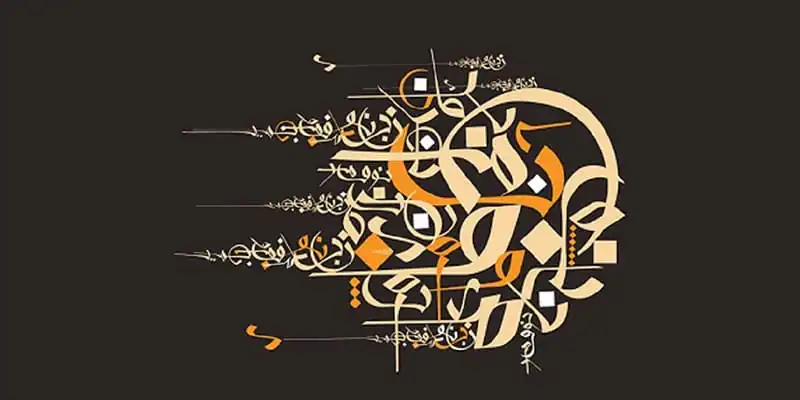
Arabic is not just a language, it’s a form of art. The curves, shapes, and flow of Arabic letters are naturally expressive, which makes them powerful for branding. When used correctly, Arabic typography can communicate:
- Culture
- Identity
- Elegance
- Modernity
- Trust
Brands in Dubai often want to represent both local and international audiences, and Arabic typography plays a key role in this balance. Whether you are working on Graphic Design Dubai projects or long-term brand identity, the goal is to include Arabic typography in a way that feels natural, meaningful, and visually strong.
Learn the Basics of Arabic Script
Before you start designing, you must understand how Arabic writing works. Arabic is written from right to left, and many letters change shape depending on their position in the word.
Arabic letters have:
- Isolated form
- Initial form
- Medial form
- Final form
This means a single letter can look different in different parts of a word. Understanding this helps you avoid mistakes such as:
- Incorrect connections
- Wrong letter forms
- Breaking words
- Using stretched or distorted shapes
Even if you don’t speak Arabic, mastering basic letter structure will improve the quality of your design.
Choose the Right Arabic Typeface
Arabic typefaces come in many styles, each with a unique personality. The typeface you choose must match the brand’s tone.
Popular Arabic Typeface Styles:
- Naskh
Clear, readable, and very common. Best for body text, brochures, and brand guidelines.
- Diwani
Decorative and stylish. Great for luxury brands and formal invitations.
- Thuluth
Traditional and artistic. Perfect for cultural branding and heritage projects.
- Kufic
Bold, geometric, and perfect for logos and modern brand identities.
Understanding the tone of the brand helps you select a typeface that communicates the message correctly.
Match Arabic Fonts with English Fonts
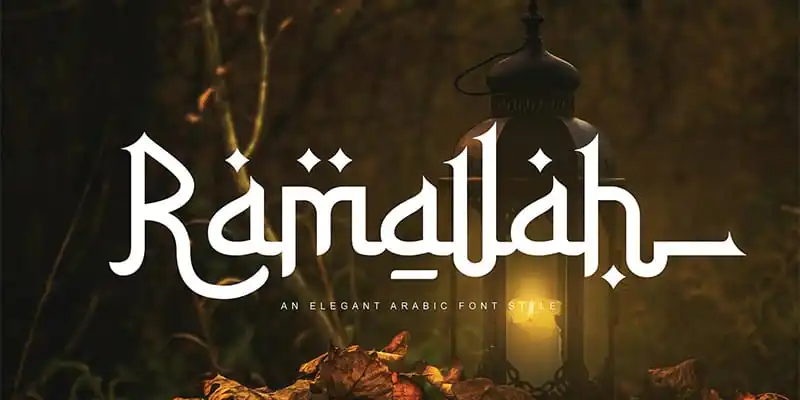
In Dubai, most brand designs include both Arabic and English text. Matching the two languages is important for balance, harmony, and visual unity.
How to match fonts correctly:
- Choose fonts with similar weight
- Match the personality (modern with modern, formal with formal)
- Keep letter heights visually balanced
- Avoid a mismatch of styles (e.g., very decorative Arabic with very plain English)
A balanced combination ensures the design looks professional and well-thought-out.
Pay Attention to Alignment and Spacing
Arabic alignment follows right-to-left rules, so headings, paragraphs, and blocks of text should be aligned to the right. Mixing language directions can make the layout look messy if not handled correctly.
Key points:
- Align Arabic text to the right
- Align English text to the left
- Keep enough spacing between lines for Arabic letters
- Avoid squeezing Arabic text into tight spaces
- Use proper kerning to maintain the natural flow
Arabic letters need breathing room to look elegant and readable.
Make Sure the Typography Matches the Brand Personality
Typography is not just decoration, it represents the brand. Dubai brands fall into different categories such as luxury, corporate, modern, youth-focused, or traditional. Each style needs a different approach.
For example:
- A luxury brand may use a flowing Diwani script
- A corporate brand may choose simple Naskh or modern Kufic
- A youth-oriented brand may use bold, geometric Arabic letters
- A heritage project may choose Thuluth or classic calligraphy
Your typography must support the brand story and identity.
Avoid Common Mistakes Designers Often Make
Many non-Arabic designers make errors that affect the quality of the final result.
Most common mistakes include:
- Using auto-translated fonts that break letters
- Treating Arabic letters like English shapes
- Stretching Arabic text to fill space
- Distorting letters without understanding structure
- Using incorrect letter combinations
- Choosing a font that does not support proper ligatures
To avoid these mistakes, always test how the typeface behaves in full sentences, short headings, and in different sizes.
Use Arabic Typography in Visual Hierarchy
Typography helps guide the reader. Use it to highlight key information:
- Headlines
- Sub-headings
- Product names
- Calls to action
- Brochure sections
In Broucher Design Dubai, Arabic typography is crucial for dividing content and making the layout easy to read. Make sure important information stands out without overpowering the rest of the content.
Combine Typography with Arabic Calligraphy
Arabic calligraphy can be a beautiful addition to certain brand designs. It brings an artistic touch that feels unique to the region.
Calligraphy works especially well for:
- Event branding
- Invitations
- High-end product packaging
- Restaurant identities
- Cultural exhibitions
- Real estate projects
However, calligraphy should be used carefully. Use it only when the brand personality and message support this artistic style.
Keep the Typography Culturally Sensitive
Arabic typography carries cultural significance. Your design must respect these values.
Important points to consider:
- Avoid religious phrases unless appropriate
- Never modify letters in a disrespectful way
- Do not use calligraphy styles meant for sacred text in commercial ads
- Maintain clarity to avoid misreading the words
A culturally aware design builds trust and shows professionalism.
Test the Typography on Different Mediums
Arabic typography may look good on screen but behave differently in print or outdoor media. Always test your design across all platforms.
Test typography on:
- Websites
- Mobile screens
- Printed brochures
- Outdoor billboards
- Packaging
- Signage
- Social media posts
Different resolutions and sizes may require changes to spacing, thickness, or layout.
Use Typography to Build Brand Recognition
Strong Arabic typography can become a brand’s signature, just like the color palette or logo. Dubai brands often rely on typography to stand out.
Typography can become part of a brand identity:
- A unique Arabic wordmark
- A customized font for the brand
- Repeated patterns based on letters
- Stylized initials
Strong typography leads to memorable branding, especially in a city filled with competition.
Consider Creating a Custom Arabic Typeface
Some brands want a completely unique visual language. A custom Arabic typeface gives them a signature style that no competitor can copy.
Custom typefaces work well for:
- Government entities
- Real estate companies
- Airlines
- Hospitality brands
- Fashion labels
- Large corporations
A custom font ensures consistency across all platforms, from signage to packaging.
Keep the Typography Clean, Modern, and Easy to Read
Dubai’s design style is modern, clean, and elegant. This means Arabic typography must follow the same direction unless the brand requires a traditional look.
To keep typography modern:
- Use clean lines
- Avoid overly decorative elements
- Keep spacing balanced
- Use consistent weights
- Maintain readability at all sizes
Simple design is often more powerful and appealing.
Use Arabic Typography in Logo Design
Many Dubai brands use bilingual logos. When creating logos, balance is extremely important.
A Logo Design Company Dubai must focus on:
- Matching Arabic and English shapes
- Keeping the logo clear even at small sizes
- Creating a sense of harmony between both languages
- Using a style that reflects the brand voice
A well-designed bilingual logo gives the brand a strong and unified identity.
Conclusion
Arabic typography is more than a design trend, is a core part of branding in Dubai. When used correctly, it adds beauty, identity, culture, and meaning to your designs. Whether you are working on a full brand identity, a brochure, a website, or a logo, Arabic typography helps you connect naturally with audiences in the UAE.
By understanding the structure of Arabic letters, choosing suitable typefaces, maintaining cultural respect, and balancing Arabic with English, you can create designs that stand out with confidence and clarity. Arabic typography brings emotional impact, visual harmony, and a sense of belonging, exactly what brands in Dubai need today.