As technology grows, web design also continues to evolve. A website is no longer just a place to show your business online — it’s a tool to connect, convince, and convert users. From futuristic layouts to user-friendly navigation, modern web design is now focused more than ever on user experience, brand identity, and smart technology.
Many businesses ask, “How can we make our website stand out and perform better?” The answer lies in staying up to date with what’s coming next. The New Web trends discussed below are not just stylish – they are powerful tools that can improve user engagement, boost conversions, and give your brand a competitive edge.
Let’s explore the 7 most exciting web design trends that are shaping the future of online experiences.
Sci-Fi-Inspired Design
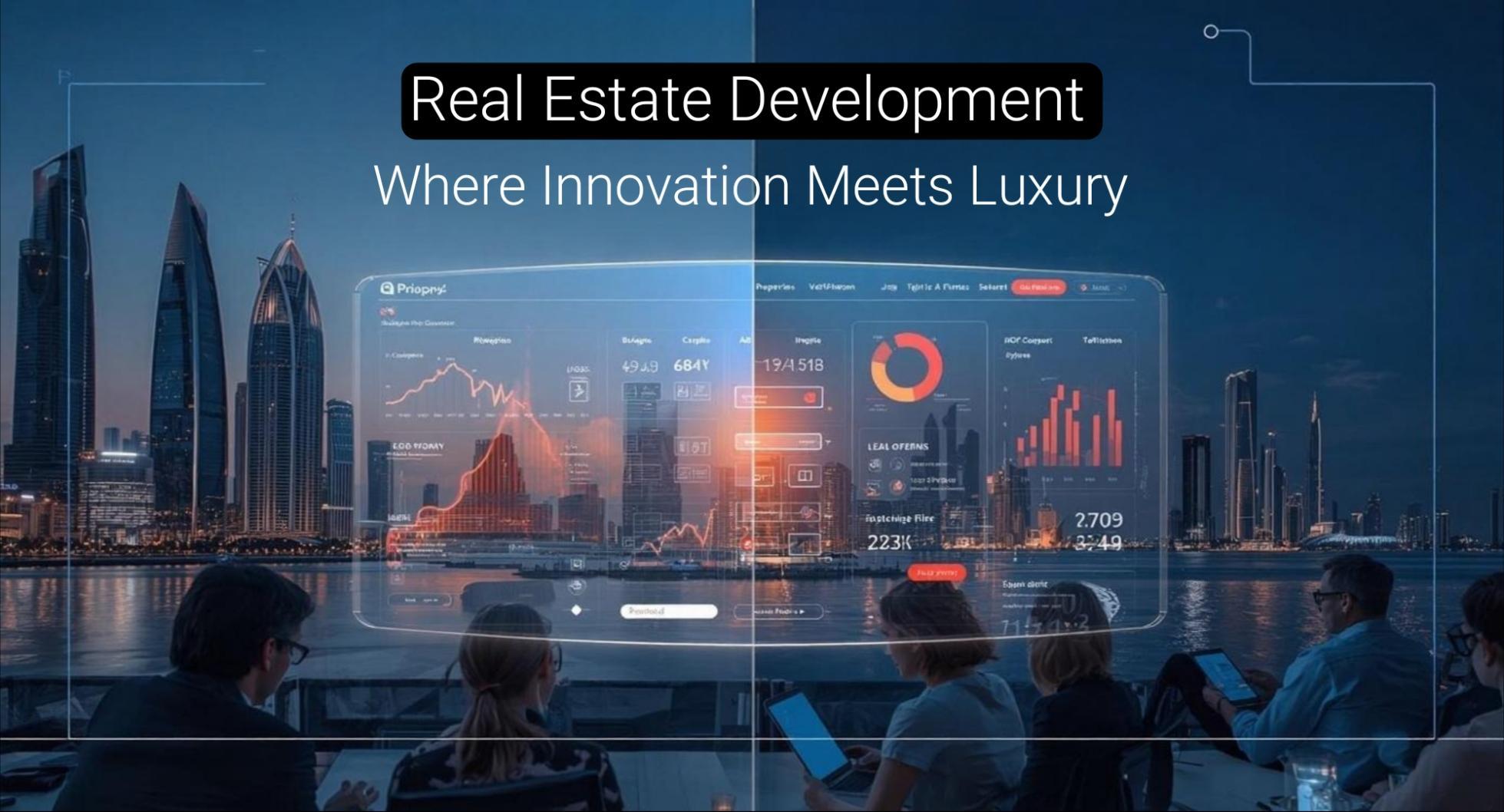
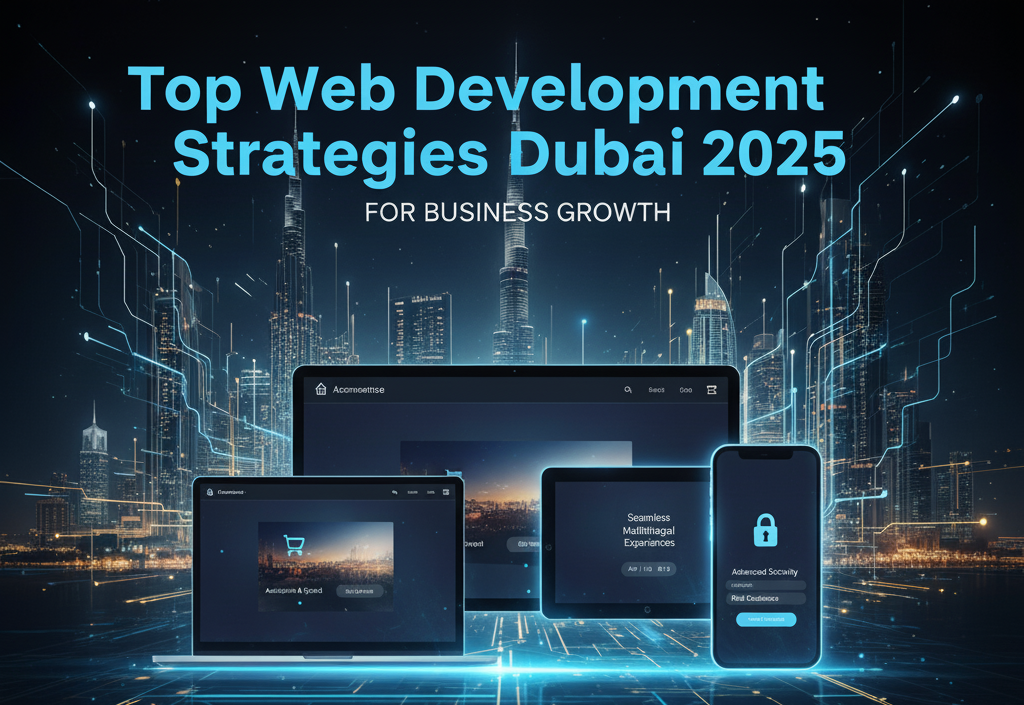
One of the boldest shifts in web design is the rise of sci-fi-inspired layouts. The world is moving toward futuristic tools like AI, robotics, VR, and biometric technology. So, websites — especially those in tech, healthcare, and finance — are starting to reflect this modern feeling.
Instead of showing simple product pages or flat interfaces with basics and future of interaction design, designers are using dark themes, neon highlights, 3D models, and animated grids that resemble a high-tech lab or virtual world. These features help grab user attention and show that your brand is future-ready.
But futuristic design isn’t just about looks. It also enables personalization. With AI tools, websites can now change the interface based on the user’s behavior — showing different layouts, colors, or messages depending on who is visiting. This offers a one-of-a-kind experience that keeps people coming back.
Why It Matters:
- Users feel impressed and curious, especially tech-savvy visitors.
- Personalization leads to longer time on site and higher conversion rates.
Textured and Real-World Design
While some companies are going digital and futuristic, others are bringing a more human touch to their websites. These are companies that sell physical products, handmade goods, or provide services in the real world — like cafes, salons, home services, or local shops.
Instead of using flat design and smooth gradients, these brands use real textures, paper effects, canvas backgrounds, or hand-drawn illustrations to make their website feel more personal and authentic.
For example, imagine a coffee shop’s website with a brown-paper-textured background, coffee cup stains, and handwritten fonts. It immediately feels cozy and close — just like the shop itself.
Why It Works:
- Builds emotional connection and trust with the user.
- Makes your brand feel unique and “real,” not robotic.
Super Simple Design (Minimalism with Purpose)
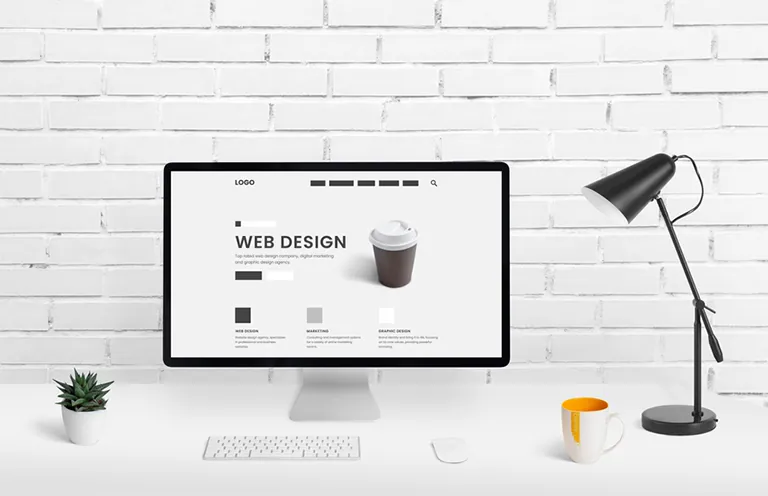
Some companies are choosing a different path — going back to the basics. After so many years of flashy animations and crowded designs, many websites are adopting ultra-minimalist styles that use space wisely.
This doesn’t mean boring design. It means using less noise, fewer distractions, and more breathing space. Clear fonts, soft color palettes, and sharp layouts help users focus on what matters: your message and your product.
This trend is especially effective for personal brands, blogs, law firms, local businesses, or service providers where clarity matters more than decoration.
Added Benefits:
- Reduces load time (great for SEO).
- Helps guide users more easily to CTAs (calls-to-action).
- Works well across devices — especially mobile.
Smart Headers That React to the Scroll
Sticky headers have been popular for years, but they come with a problem: when you use a transparent header on top of a dynamic background (like videos or images), the text and buttons often become hard to read.
Smart headers solve this issue. These are headers that change based on scroll behavior. For example:
- They remain transparent on top of a clean hero image.
- As you scroll down and the background gets busier, the header becomes solid, matching the new color underneath.
- Some headers change text color or shrink slightly to save space.
This trend improves both design and usability, making it easier for users to navigate without being distracted.
Use Case:
Great for eCommerce, news websites, educational platforms, and company websites with large media banners.
Multi-Planar Scrolling (Depth and Direction)
Traditional websites scroll in one direction — top to bottom. But now, we are seeing a creative movement: multi-planar scrolling.
With this technique, content doesn’t just move vertically. It shifts side to side, forward, or backward — just like layers in a game. It feels like objects are moving on different levels of depth as you scroll, creating a more immersive storytelling experience.
This type of movement can be subtle or dramatic. It can be used for:
- Product reveals
- Portfolios
- Brand storytelling
- Scroll-triggered animation
But it should be used carefully. Too much animation can slow down your website, so it’s important to balance visual effects with speed and performance.
Optimization Tip:
Use lightweight animations or SVGs, and lazy-load complex visuals to keep your site fast.
Handmade Logos and Personal Identity
Over the years, many brands switched to flat, digital-looking logos — especially tech companies. But now, that’s changing. There’s a growing trend of hand-drawn logos, brush-stroke typography, and rough edges that feel warm and personal.
Whether it’s a bakery or a creative agency, adding a handmade touch to your logo makes your brand look approachable and honest. Even large companies are going back to organic logos with sketches, pencil marks, or uneven shapes that reflect human creativity.
Helpful For:
- Art-based businesses, local shops, fashion, organic products, home services.
- Companies rebranding from corporate to “community-focused.”
Easy-to-Read Text Techniques (Scroll-Revealed Typography)
Most users don’t like reading long blocks of text. That’s why many websites fail to keep visitors on the page — not because the content is bad, but because it’s overwhelming to read.
A smart solution is scroll-revealed text — where the text appears gradually or changes color as you scroll. This creates a “teleprompter effect” that keeps the reader engaged. It can even help people retain the message better.
Designers are using animations like:
- Light-to-dark text transition
- Highlighted sections as the user scrolls
- Line-by-line reveals with smooth motion
SEO Benefit:
When users scroll slowly through your text, the dwell time increases — this tells search engines that your content is valuable.
Trends That Need Caution
While all of the above trends are powerful, not every trend suits every business. Before applying any new design idea, ask:
- Will this help my user?
- Does this match my brand’s tone?
- Will this slow down my site or affect SEO?
For example, a local plumber doesn’t need futuristic 3D animations. But clean navigation and smart headers might make a big difference.
Similarly, a tech startup might benefit from sci-fi design but should avoid handmade logos that don’t match the brand message.
Where to Start: A Practical Approach
If you’re planning a redesign or launching a new website:
- Start by defining your audience — what do they like and what frustrates them?
- Choose 2–3 trends that match your brand identity and business goals.
- Test new ideas in parts — for example, try scroll typography on your homepage before rolling it out across the site.
- Focus on performance and mobile responsiveness. All trends should be smooth across devices.
Read Also: Embracing the Future: Top Web Design Trends for the Upcoming Year
Final Thoughts
The future of web design isn’t about just following trends — it’s about using the right trends in the right way to solve problems and connect better with your audience.
From futuristic visuals to minimal designs, from textured surfaces to scroll-triggered typography, each trend has something special to offer. But the best websites are those that blend beauty with clarity, creativity with purpose.
If you want your website to feel modern, human, and effective — start with small changes. Choose what fits your business, test what works best, and always keep your users at the center of every decision.